66° and Clear
Image
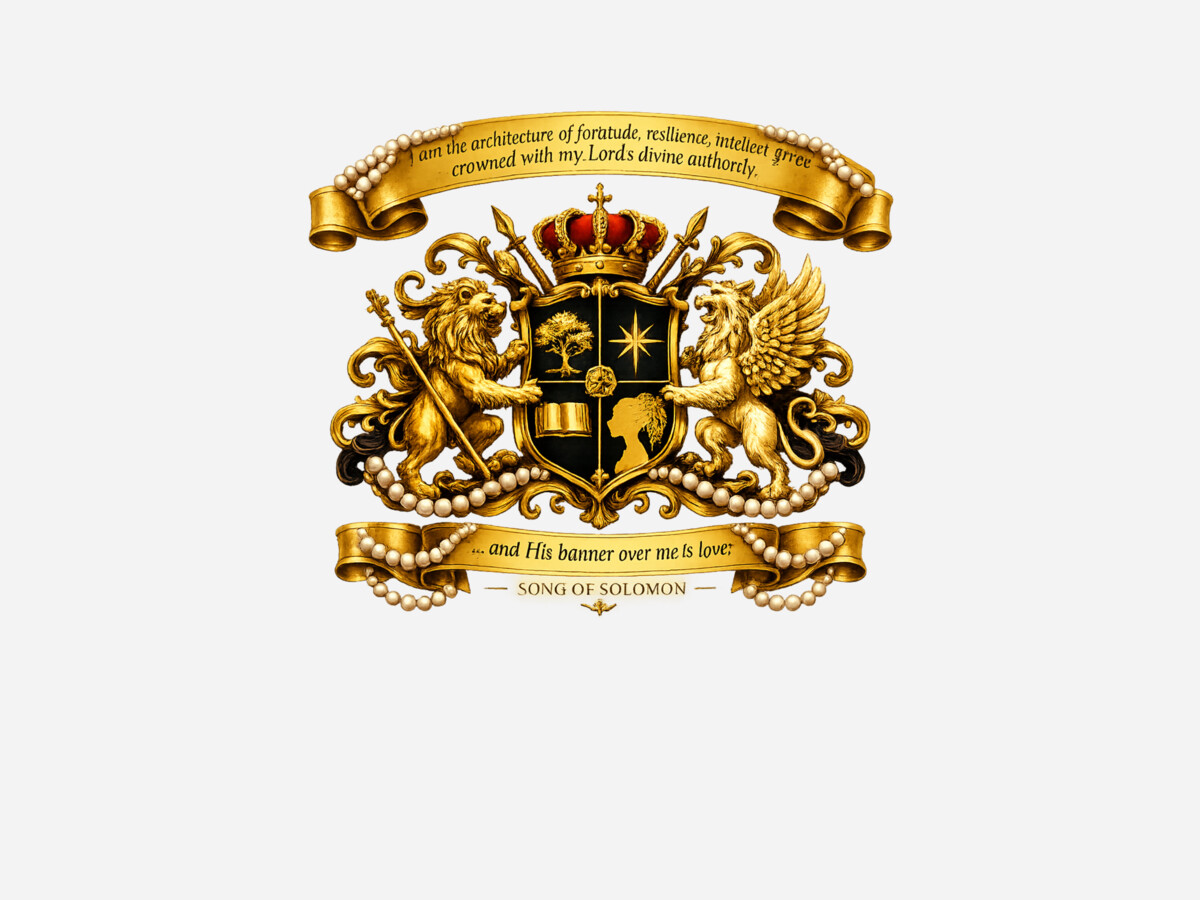
Design by S. Renee Greene (Ai-generated by Design) (c)2026


We had whispered hints, unfinished sentences, and one phrase that ended every conversation before it began: “We don’t talk about that.”
I was the only one asking why not?.
But I didn’t dare ask — not out loud. Children hear and remember more than adults realize.
Someone would mention the relative who was lynched, but only in hushed tones. Someone else spoke of an uncle killed in World War I through tears and unfinished pain. Another casually mentioned a place I’d never heard of, as though everyone else already knew why it was best left alone.
They called me a Human Sponge. A curious child who absorbed everything. They warned me I’d get hurt if I kept digging. One day, I decided the hurt no longer mattered.
I wanted to know where the conversation ended — or where it had really begun.
Those weren’t my stories. Mine was different. Somewhere inside their quilt of unfinished memories was a patch with my name on it.
Whenever someone said, “You remind me of…” I wanted to know who she was.
What was it about them that lived on in me?
It was blood, but what was the memory? Where did my puzzle piece fit?
Belonging was important to me, so for decades I carried those loose stitches without knowing where they were supposed to go. I remembered my Aunt Dell because she was the last of my grandfather’s sisters that I truly knew. We loved each other without reservation and we laughed together like it would always be that way.
Then she died on Valentine’s Day 1980, and something in me went with her. That’s when I stopped waiting for someone to hand me the finished quilt. I decided to stitch my own — with words.
I was critical of them, but my grandfather said “That’s not fair. They couldn’t do what you are doing now because they didn’t have what you have.”
He was right. They gave me something greater than written records. They gave me the chance to exist.
And I remembered what they fought and sacrificed for: Me. I would write the records they could not.
 “On the Banks of the Chattahoochee.” AI Concept Depiction by Author.
SoI began my search.
Not for dead people, but for the missing link between plantation, reservation, and homeland — between national and global East and West — something that might lead me back to a people who no longer knew we were one.
I no longer cared that no one else cared, I did. Surely that was enough.
For more than thirty years my search carried me through courthouses, archives, libraries, cemeteries, historical societies, census schedules, probate files, land deeds, affidavits, enrollment cards, and forgotten documents that outlived their signers.
Courthouses in Alabama and Oklahoma became my family reunions. Affidavits introduced me to relatives I never knew existed. Paper remembered what people no longer could — or no longer wanted to.
And somewhere along the way I realized I wasn’t trying to solve the disagreements that scattered my family. That I couldn’t do. Those who lived them had long since gone home to Glory.
I wasn’t looking for someone to blame. I was trying to answer a different question.
‘How do you put a family back together in your own heart when the people who broke apart never found their way back to one another?’
The answer wasn’t in the arguments. It was in the names. The dates. The places. The ordinary details that quietly whisper:
“Yes. We were here.”
We weren’t a famous people, but we survived long enough for you to be born.
The greatest lesson this journey taught me isn’t about genealogy. It’s about responsibility. Stewardship.
Family history rarely disappears because someone burns it. It disappears because someone stops talking.
A grandmother dies before anyone asks. A grandfather leaves one final clue and whispers, “Now go figure the rest out.”
The names are never written on the backs of photographs. The family Bible goes into a box. The letters disappear. The newspaper clippings turn brown and brittle.
Someone says, “We’ll talk about that another day.” Then another day never comes. One day there is no one left who remembers.
I don’t want to become another ancestor who carries what she knows to the grave. Others may not have had the opportunity.
But I do.
I don’t want my sons — or their families — to stand where I once stood wondering who their Mama’s people were. Tell them this:
They are here because those before them were here.
Grandmama and Great-Grandma never knew me. Yet they lived, loved, sacrificed, worked, lost, won, and endured so I could. Had they surrendered, I would not exist.
One discovery surprised me most.
I assumed my ancestors owned little. Instead, I found landowners. Community leaders. People respected enough to stand before judges and conduct family business even without the education we were granted.
So I write. I organize. I document. I label. I save copies. I leave notes. Not because I can change what happened. But because I refuse to let silence become my family’s inheritance.
My family left me hints, I’m trying to leave my descendants a map.
Ifall you inherit are questions, leave behind better questions — and enough notes that someone after you doesn’t have to start from scratch.
Every family loses something. Every family preserves something. Find it. Then leave better emotional tender than the generations before you.
Someone you will never meet is counting on you.

Sunny, with a high of 80 and low of 59 degrees. Overcast for the morning, partly cloudy during the afternoon, clear in the evening, mist overnight.



I just wanted to clarify that District Judge Richard Leon was in fact the first to tell tRump that he is a "steward"of the White House not the owner. And to treat it as such.