63° and Light rain

Celebrating National Angel Food Cake Day! And A LITTLE SLICE OF HEAVEN with Culinary Queen Edna Hall


Celebrating National Angel Food Cake Dayl
~October 10, 2026~
There's something heavenly about a homemade angel food cake.
Light, delicate, and golden on the outside, with a soft, cloudlike center, this old-fashioned dessert has been a favorite on Southern tables for generations.
And who better to help us celebrate the joy of Southern baking than Grande Dame Edna Lewis?
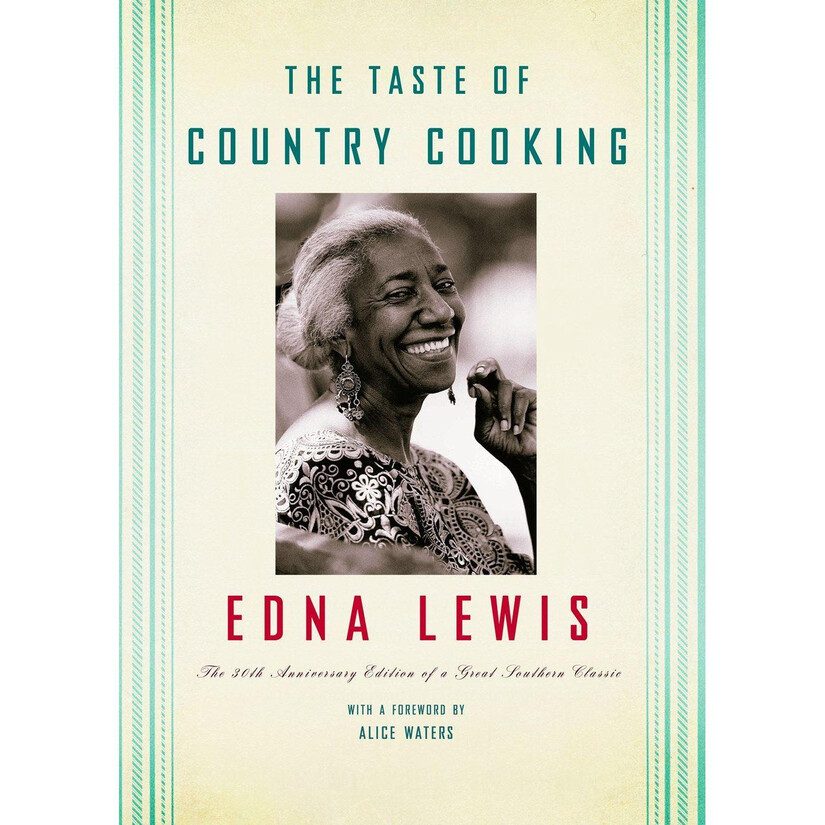
Her approach to soul food celebrated more than the plate. She recognized family traditions, cultural heritage, and generations of knowledge, the kind that make Southern cooking so special.
A Cake Worth Celebrating
Unlike traditional butter cakes, angel food cake gets its remarkable height and delicate texture from whipped egg whites. Its signature lightness makes it especially delicious with fresh strawberries, blueberries, and a spoonful of whipped cream.
Happy National Angel Food Cake Day from Fountain City News!
___________________________________________
Edna Lewis' Angel Food Cake
A Southern classic for National Angel Food Cake Day
This recipe comes from The Gift of Southern Cooking (2003), written by the late Chef Edna Lewis and Scott Peacock. It was subsequently adapted by Alex Witchel for The New York Times.
Makes: 10 servings
Preparation and baking: Approximately 1 hour, plus cooling.
Ingredients
- 1 cup cake flour
- 1½ cups granulated sugar
- 12 large egg whites, at room temperature
- ½ teaspoon cream of tartar
- ¼ teaspoon salt
- 1½ teaspoons vanilla extract
Preparation
NEW YORK TIMES Recipe Link
***
EDNA LEWIS BACKGROUND and HISTORY
Edna Lewis (1916–2006)
The Grand Dame of Southern Cooking
Chef | Author | Culinary Historian | Guardian of African American Food Traditions
Edna Lewis was a pioneering African American chef, cookbook author, and cultural preservationist whose work transformed the way America understood Southern cuisine.
Born on April 13, 1916, in Freetown, Virginia, a farming community established by formerly enslaved people, Lewis grew up surrounded by the agricultural traditions, seasonal cooking, and communal celebrations of rural Black America.
By way of information, Edna Lewis was born just 51 years after the abolition of slavery in the United States.
Her grandfather, Chester Lewis, was among the formerly enslaved people who helped establish Freetown after emancipation. Her childhood was shaped by a community that raised its own vegetables, preserved seasonal harvests, and prepared meals using techniques passed down through generations. Her grandfather's generation had experienced enslavement, while her own generation inherited and preserved the knowledge of people who had built independent lives after emancipation.
Her cooking represented more than survival. It represented ownership of land, agricultural knowledge, family traditions, community, and self-determination.
As a young woman, Lewis moved to New York City, where she worked as a seamstress before entering the restaurant industry.
In 1948, she helped open Café Nicholson in Manhattan, where her refined interpretation of traditional Southern cooking attracted artists, writers, and prominent New Yorkers. Although she became an accomplished professional chef, Lewis never abandoned the culinary traditions of her childhood.
Her landmark 1976 cookbook, The Taste of Country Cooking, was far more than a collection of recipes. Organized around the changing seasons, it documented the food, customs, agricultural practices, and celebrations of the African American community in which she was raised.
Through her writing, Lewis challenged the notion that Southern cooking was merely heavy, inexpensive food. She demonstrated that Black Southern cuisine was rooted in agricultural knowledge, fresh ingredients, skilled preparation, and generations of cultural inheritance.
Her other books include The Edna Lewis Cookbook (1972), In Pursuit of Flavor (1988), and The Gift of Southern Cooking (2003), written with chef Scott Peacock.
Lewis received numerous honors during her lifetime, including recognition from the James Beard Foundation. Her influence continues through generations of chefs, food writers, and culinary historians who recognize her role in preserving African American food traditions.
Edna Lewis died on February 13, 2006, at age 89.
Her legacy extends beyond the kitchen.
She helped preserve the history of a people through the foods they cultivated, the meals they prepared, and the traditions they passed from one generation to the next.
For additional information, visit the Edna Lewis Foundation.