69° and Overcast
Image
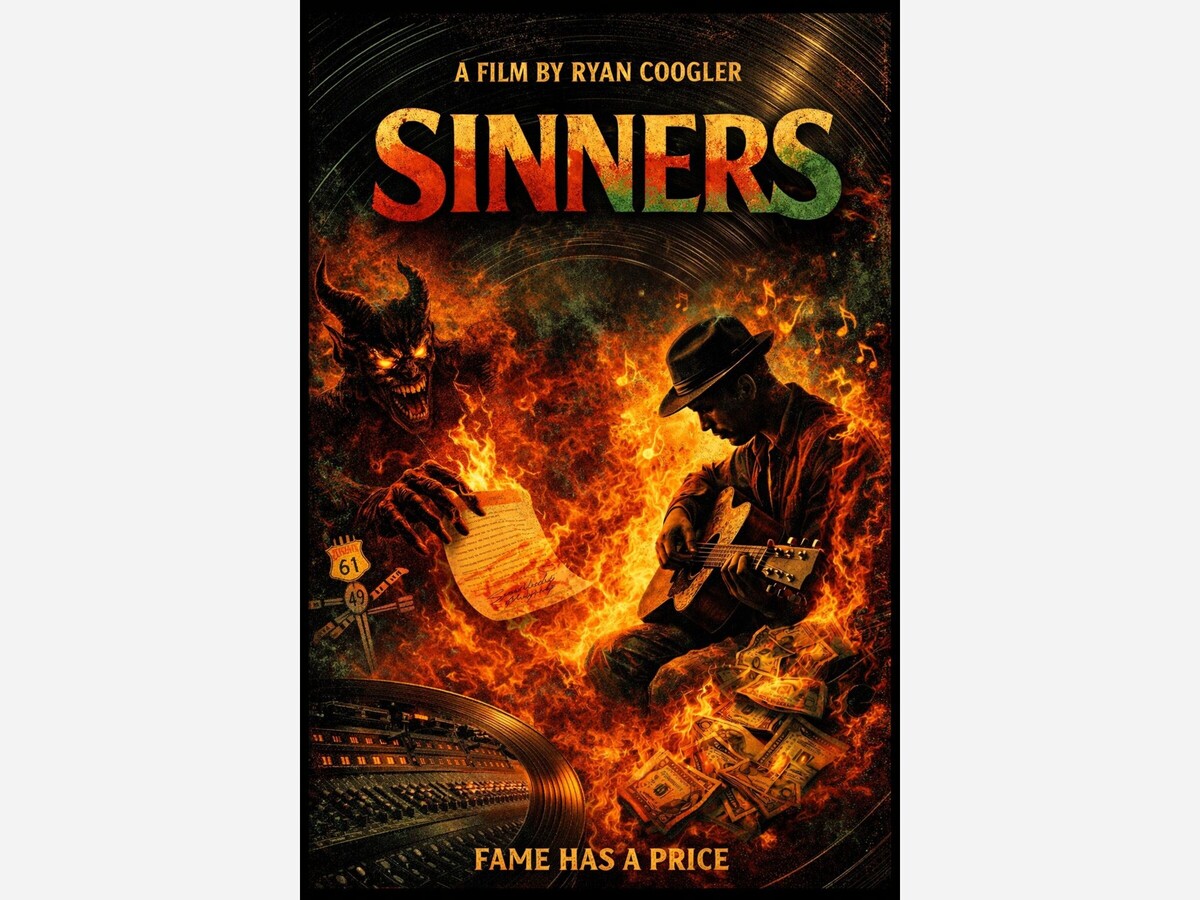
It ain't all about the money. It's about your soul.



In an era saturated with sequels, safe scripts, and algorithm-driven storytelling, Ryan Coogler has once again proven that bold, original filmmaking still has the power to move culture.
His latest project, Sinners, is not merely a film—it is a reclamation of moral complexity, historical weight, and the spiritual tension that has always defined the American story...using VAMPIRES to underwrite the theme that stands behind an old saying about people "selling their soul to the devil" to get THAT good at musical proficiency.
Sinners does not ask for easy applause.
It does not flatten its characters into heroes and villains for the sake of comfort. Instead, it leans into contradiction. It forces the audience to confront the uncomfortable truth that sin—whether personal, collective, or institutional—is woven into the fabric of human existence. And yet, rather than condemning its characters, the film invites us to understand them through what touched their lives that made them cry out to God any way they had to cry.
The old folks' used to call it "the devil's music," and truly, this is where Coogler’s genius is most evident.
He has built a career on excavating identity—through Fruitvale Station, Creed, and Black Panther—but Sinners goes further.
It moves from identity to morality, from external struggle to internal reckoning. The film’s power lies in its refusal to sanitize history or human frailty. In doing so, it becomes deeply honest.
Visually, Sinners is striking.
Coogler uses atmosphere not as decoration, but as theology. Darkness is not just aesthetic—it is symbolic. Light is not merely illumination—it is confrontation. The tension between the two mirrors the film’s central question: What do we do with the parts of ourselves we would rather hide?
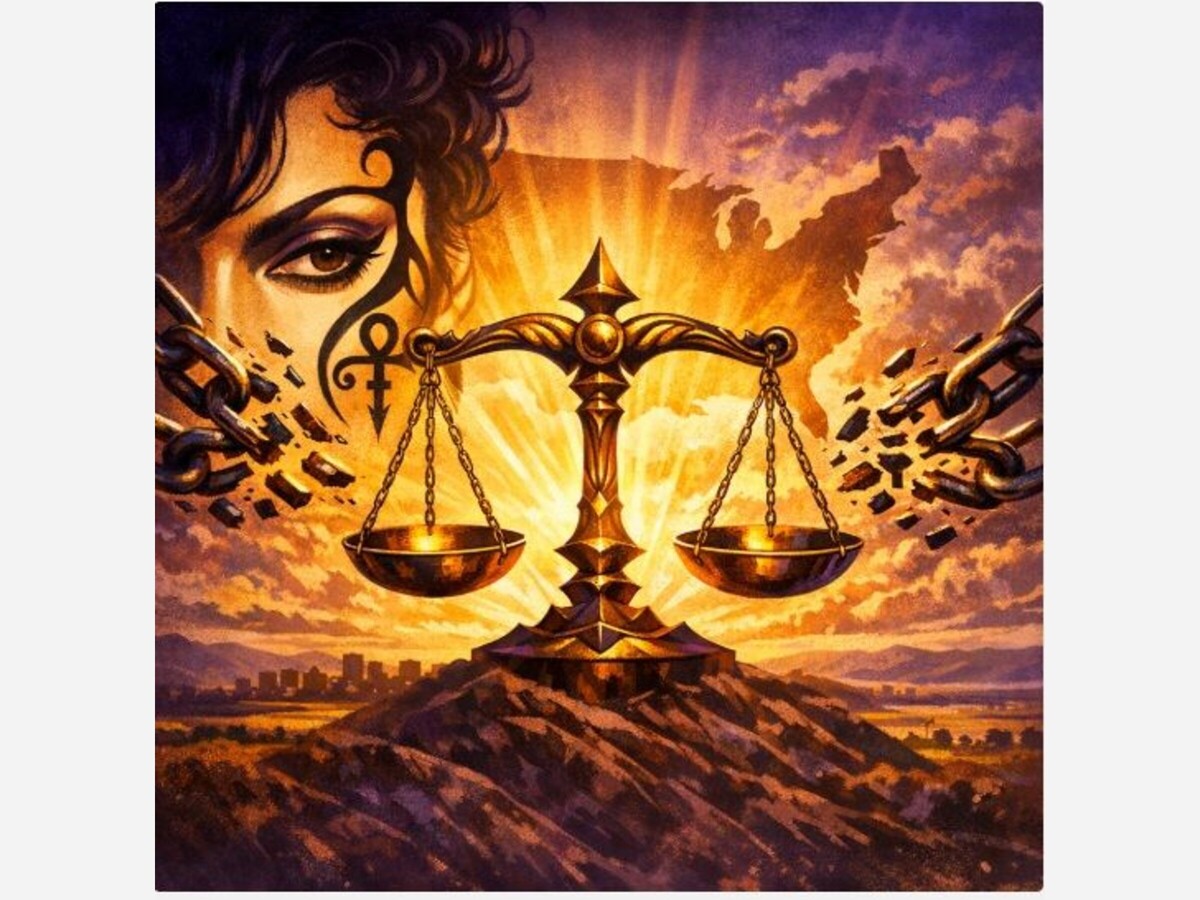
Was Prince right when he said "...sooner or later, everybody's got to go home."?
Critics who demand clear moral binaries may miss the point.
The film does not excuse wrongdoing. It contextualizes it.
It suggests that broken systems produce broken outcomes, and that redemption—if it comes—requires acknowledgment, not denial. That is a far more mature moral framework than the tidy narratives audiences are often fed.
What makes Sinners particularly relevant today is its courage. In a polarized cultural climate, it would have been easy to produce a film that flatters one audience and antagonizes another. Instead, Coogler trusts viewers to wrestle with their own gravity. He trusts them to sit in ambiguity and most artistic directors rarely trust their audience with refusing an explanation.
The performances anchor the film’s themes with restraint and a bit of unpolished nuance.
There are no cartoonish portrayals. No exaggerated melodrama. It gets scary and serious at the same time. You want to turn away in disgust, but you don't because you know exactly what he's getting at even if you can't verbalize it.
Every character feels like someone you might pass on the street—carrying secrets, history...and carrying choices that echo beyond a single moment in time.
Perhaps most importantly, Sinners insists that storytelling still matters.
In a world that often reduces morality to hashtags and outrage cycles with doom scrolling social media, Coogler returns us to narrative as reflection. He reminds us that cinema can still be contemplative without being slow, provocative without being reckless, and spiritual without being too preachy.
To stand in favor of Sinners is not to celebrate sin itself.
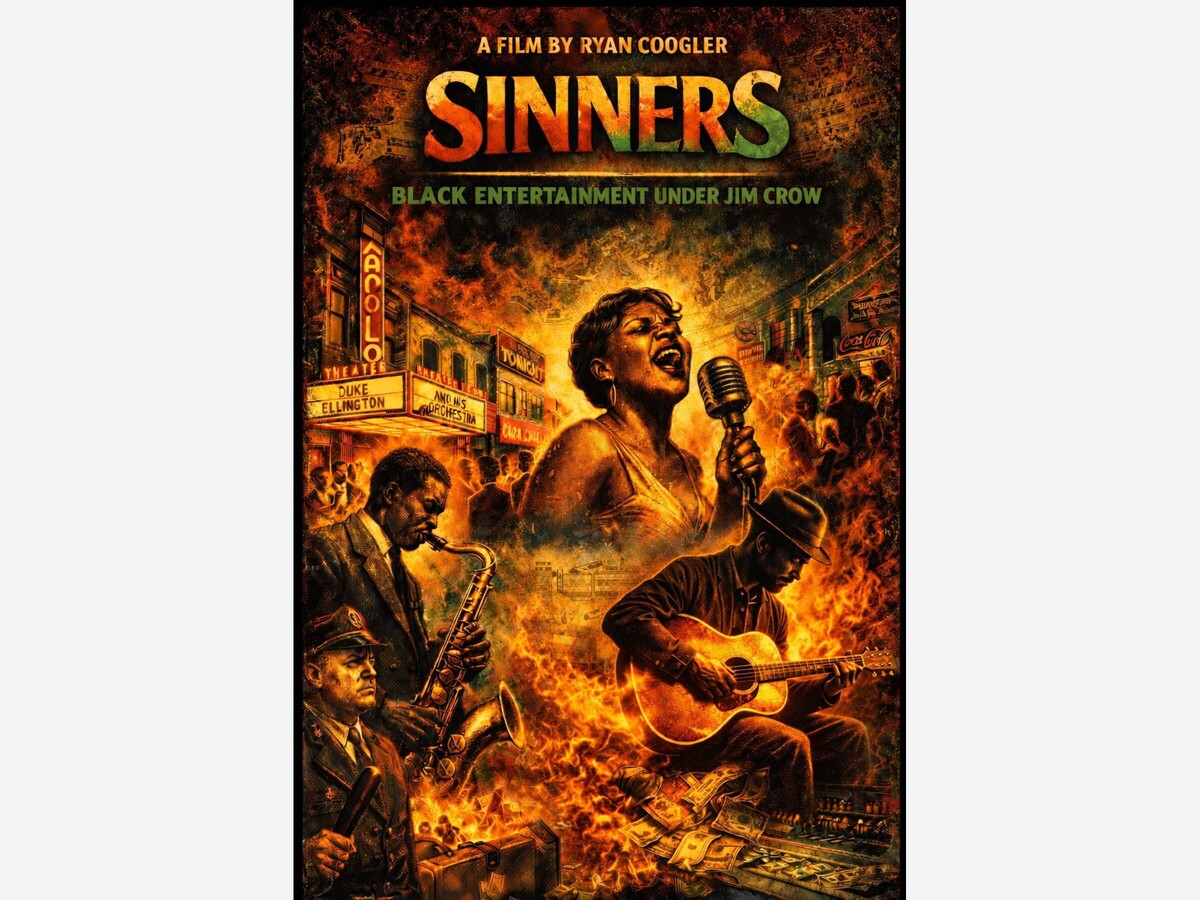
It is to celebrate the artist's maze that treats its audience like adults who understand racism when they've had to live with it and by its creeds and codes, not simply analyze it from a forensic offset point of view.
We champion a filmmaker who refuses to dilute complexity for the sake of market safety and white angst. We affirm that stories about flawed people are not dangerous—they are necessary. Because if we cannot examine the architecture of our own systemic failures, we cannot begin to imagine redemption.
Sinners dares to examine it, and then turn it inside out so we can see its guts run blood into the mud.
###





Patchy rain nearby, with a high of 79 and low of 62 degrees. Don't forget your umbrella! Light rain shower during the morning, patchy rain nearby for the afternoon, overcast in the evening, moderate rain overnight.








I just wanted to clarify that District Judge Richard Leon was in fact the first to tell tRump that he is a "steward"of the White House not the owner. And to treat it as such.